 Main area
Talinguru Nyakunytjaku
Uluru from the south-east
- Drive
- 30 min from the resort
- Facilities
- Water, toilets
- Crowds
- Busy at dawn
Guides
Language
EnglishCurrency
US dollar · $Your currency applies on GetYourGuide too.
Guide · The viewing area
Platforms on a sand dune south-east of the rock, two short walks about Anangu life, and a lower track where the crowd thins out: what to expect at the place where most mornings at Uluru begin.
Editorial team, ulurusunrise.comUpdated October 22, 2026about 6 min to read40 sources
Quick answer
Talinguru Nyakunytjaku is the park's main sunrise viewing area for Uluru.1 It sits on the dunes to the south-east of the rock, and its viewing platforms, shelters and walking tracks are spread out so that many people can share the same dawn without standing on top of each other.1 It also has water, toilets and wheelchair access.4
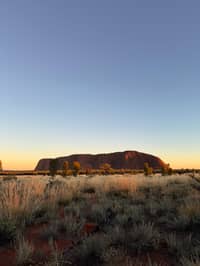
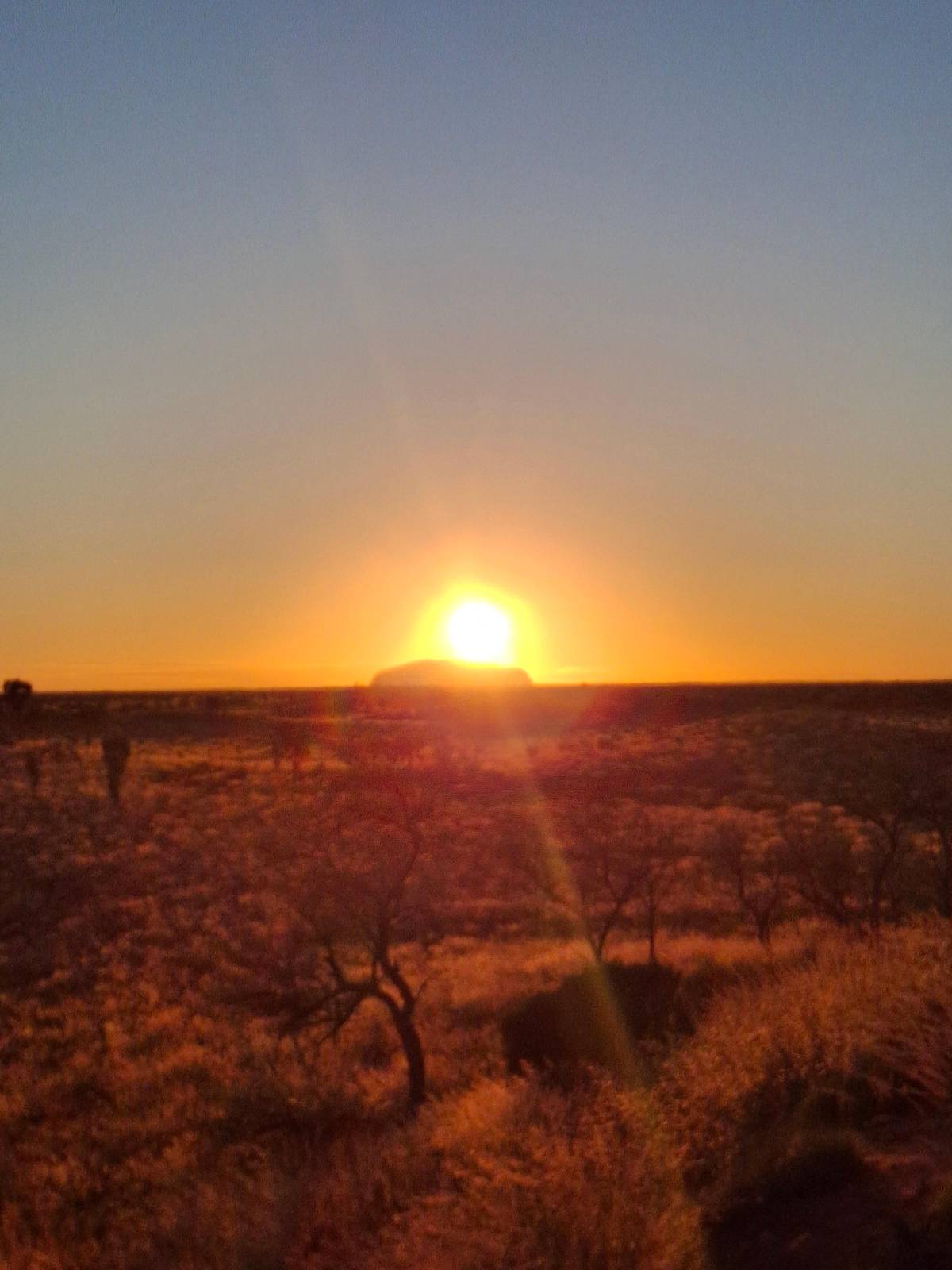
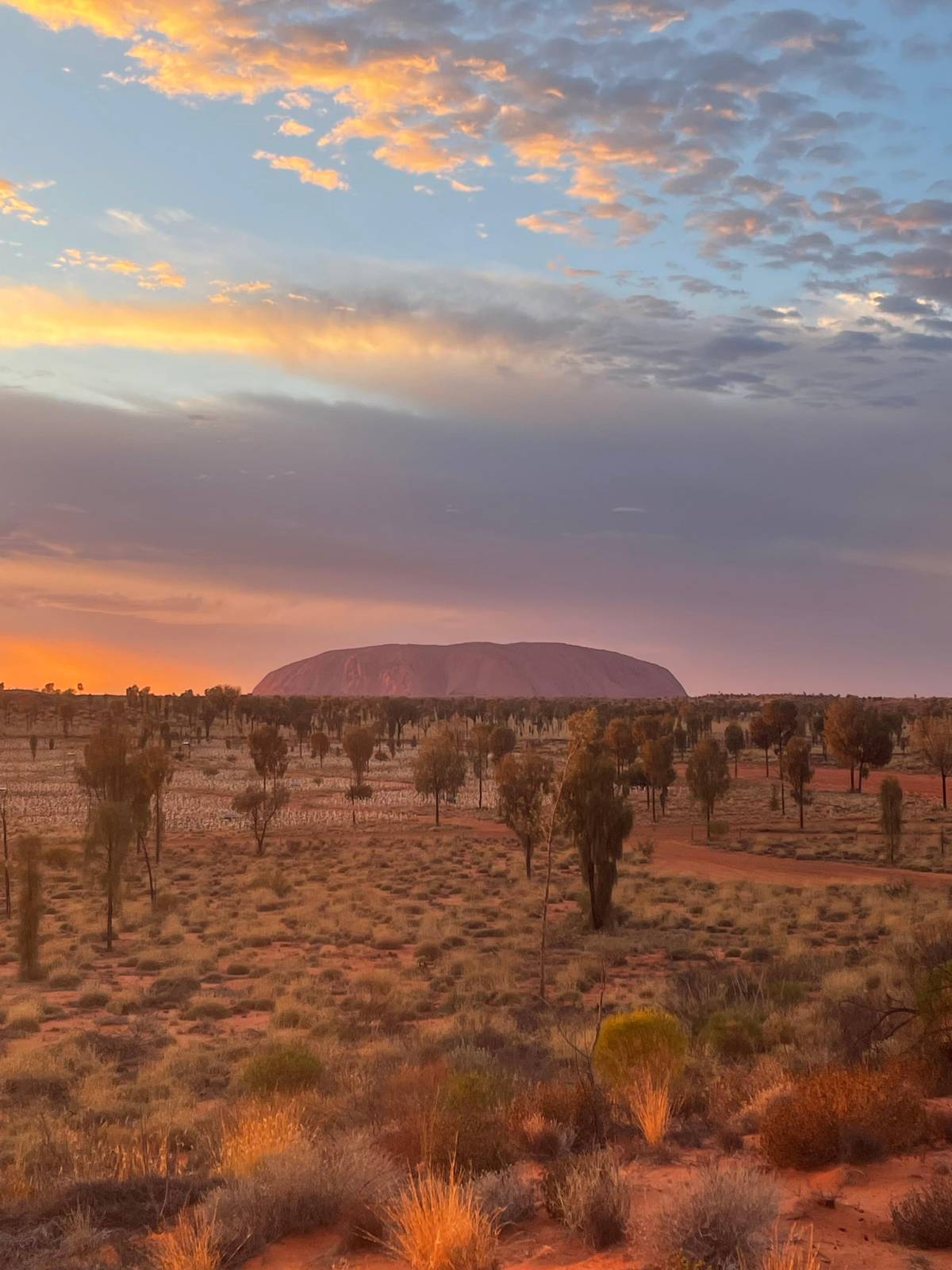
Parks Australia places its sunrise and sunset areas so that the sun's rays strike the rock directly at that hour, which is what makes Uluru appear to change colour.6 At dawn the first rays come over the sand dunes behind the platforms, and as the sun climbs, light and shadow move across the ripples of the rock.7 You face the rock with the sunrise at your back, so the show is on the stone, not in the sky.
That orientation answers a common question about where to watch sunrise at Uluru. If you want the classic view of the rock lighting up, this is the place. If you want the sun itself rising beside the rock, Parks Australia suggests going to a sunset viewing area at dawn instead.6
A morning at the platform
Gates open
Between 5.00 am and 6.30 am, by month.3
30 min
From Ayers Rock Resort to the viewing area.2
Before dawn
The lower track leads to the second shelter.5
First light
The sun rises behind the platforms.7
30 to 45 min
No official page prints a single sunrise time, because it moves through the year, and so do the park gates. The park opens at 5.00 am from October to February, at 5.30 am in March, April and September, at 6.00 am in May and August, and at 6.30 am in June and July.3 All visitors must be out by closing time, so night photography from inside the park is not an option.1011
Day length shows the same swing: at Yulara the sun is above the horizon for 13.7 hours in mid-December but only 10.6 hours in mid-June.12 In practice that means a winter dawn arrives late and cold, and a summer dawn arrives early and warm. Guided walks that time themselves to the sun leave 1 hour before sunrise, which is a sensible margin for you too.
Plan on the drive as well. From Ayers Rock Resort to the viewing area takes about 30 minutes, and the Cultural Centre sits on the main road 10 to 15 minutes from the entry station if you want a stop later in the morning.213 Parks Australia also notes that the platforms are generally busy at dawn, so arriving with time to spare gives you a choice of spots.14
Park gates
Three dawn spots
Main areaUluru from the south-east
 Two landmarks
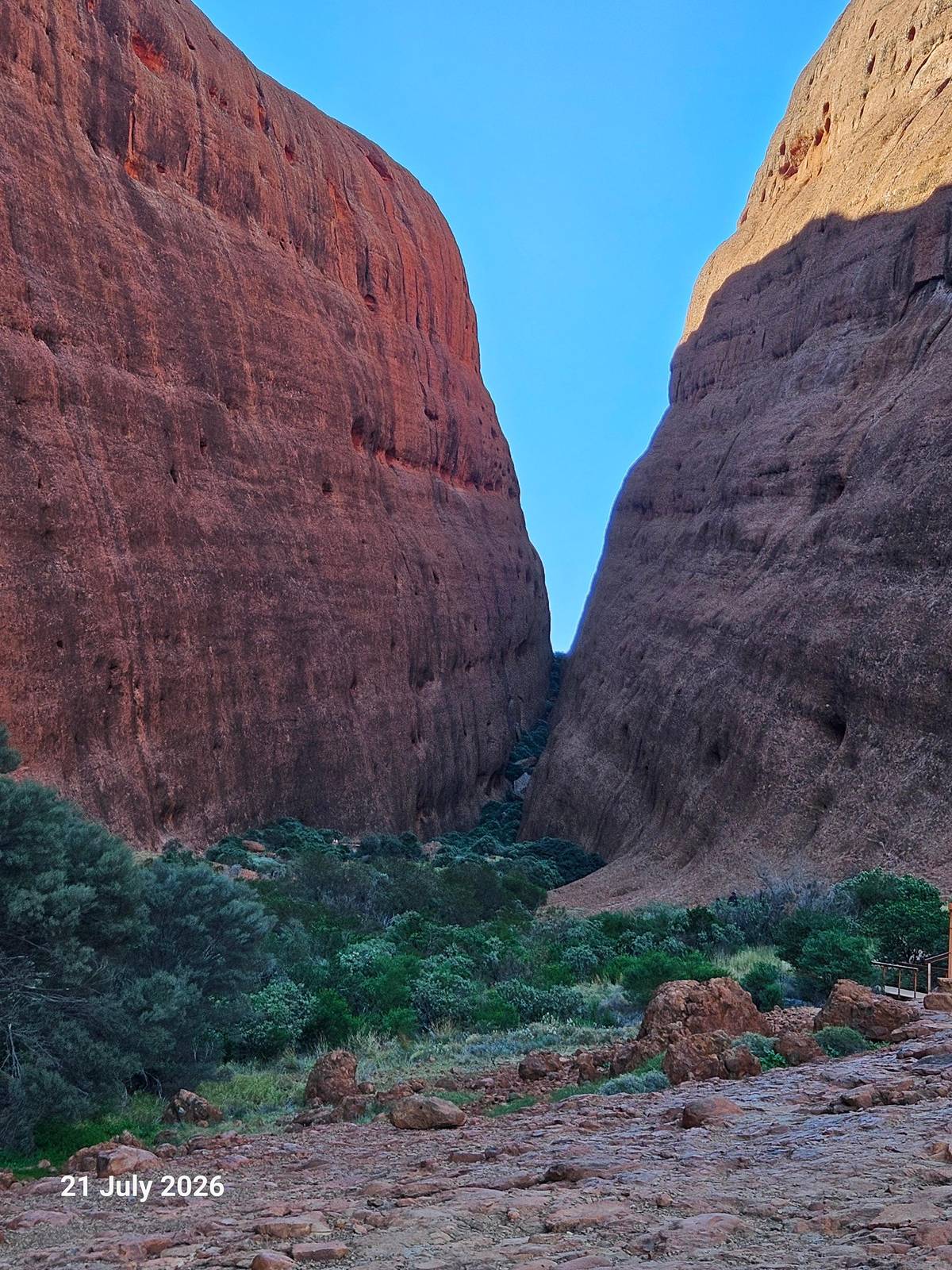
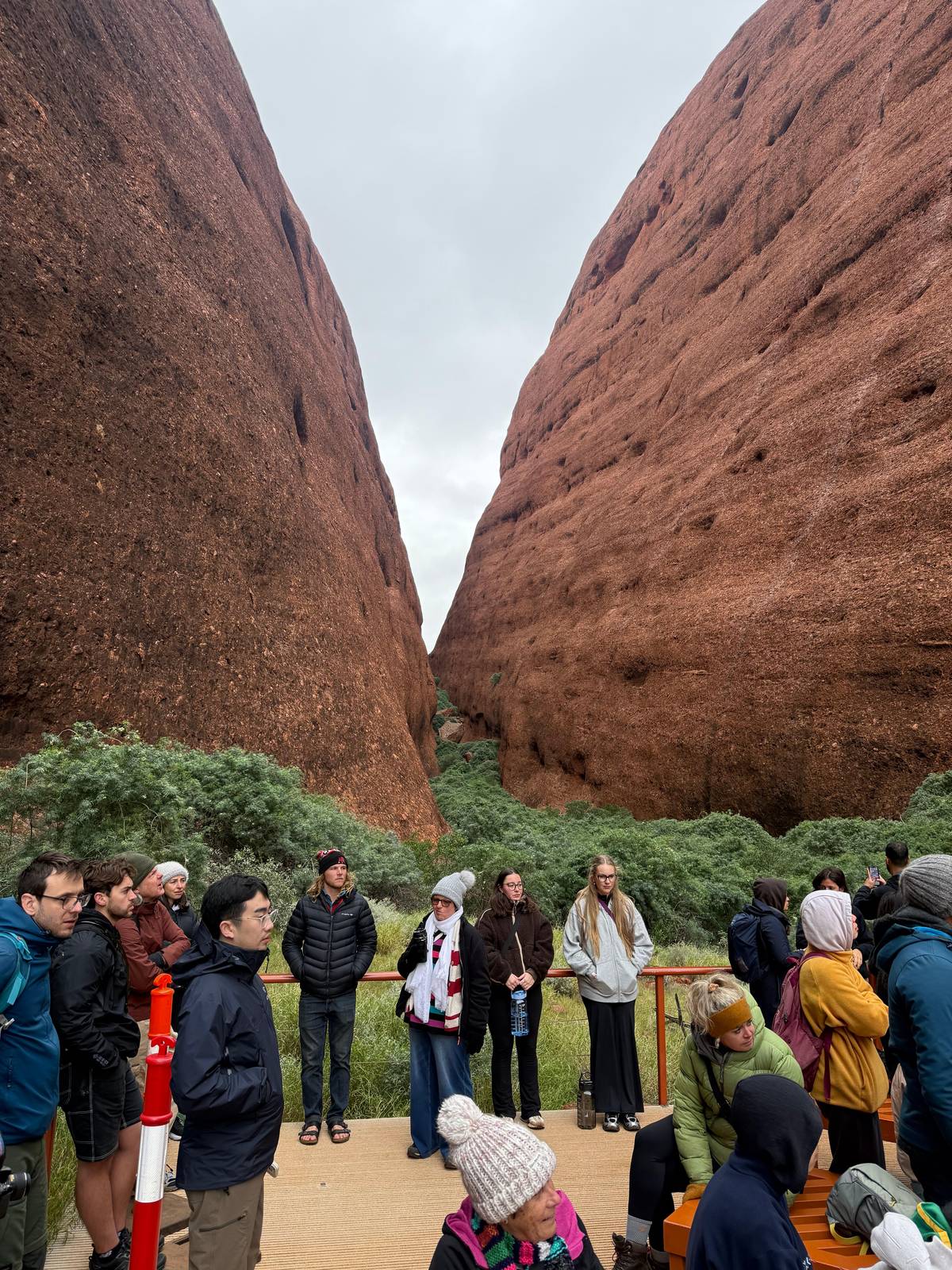
The domes, Uluru far off
 After sunrise
Sun behind the rock
Decision helper
Match the morning to what you care about
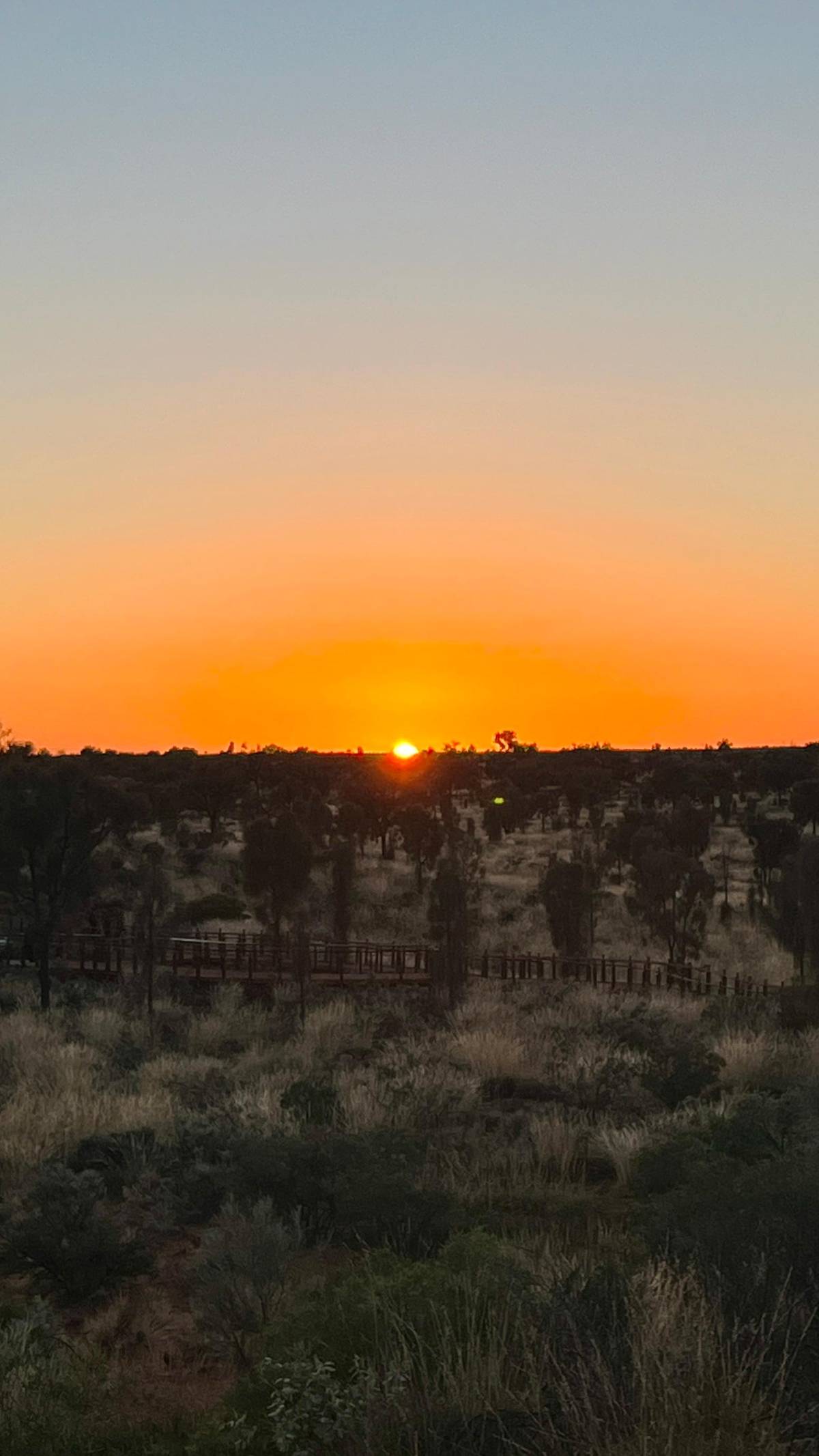
At dawn, the first rays of sunlight appear over the sand dunes behind the viewing platforms.
The main platforms fill quickly with people and tripods. Parks Australia's advice is simple: if you prefer a quiet spot, head off along the walking tracks.14 A few minutes away from the shelters you hear the grass and the birds instead of camera shutters, and you still face the rock.
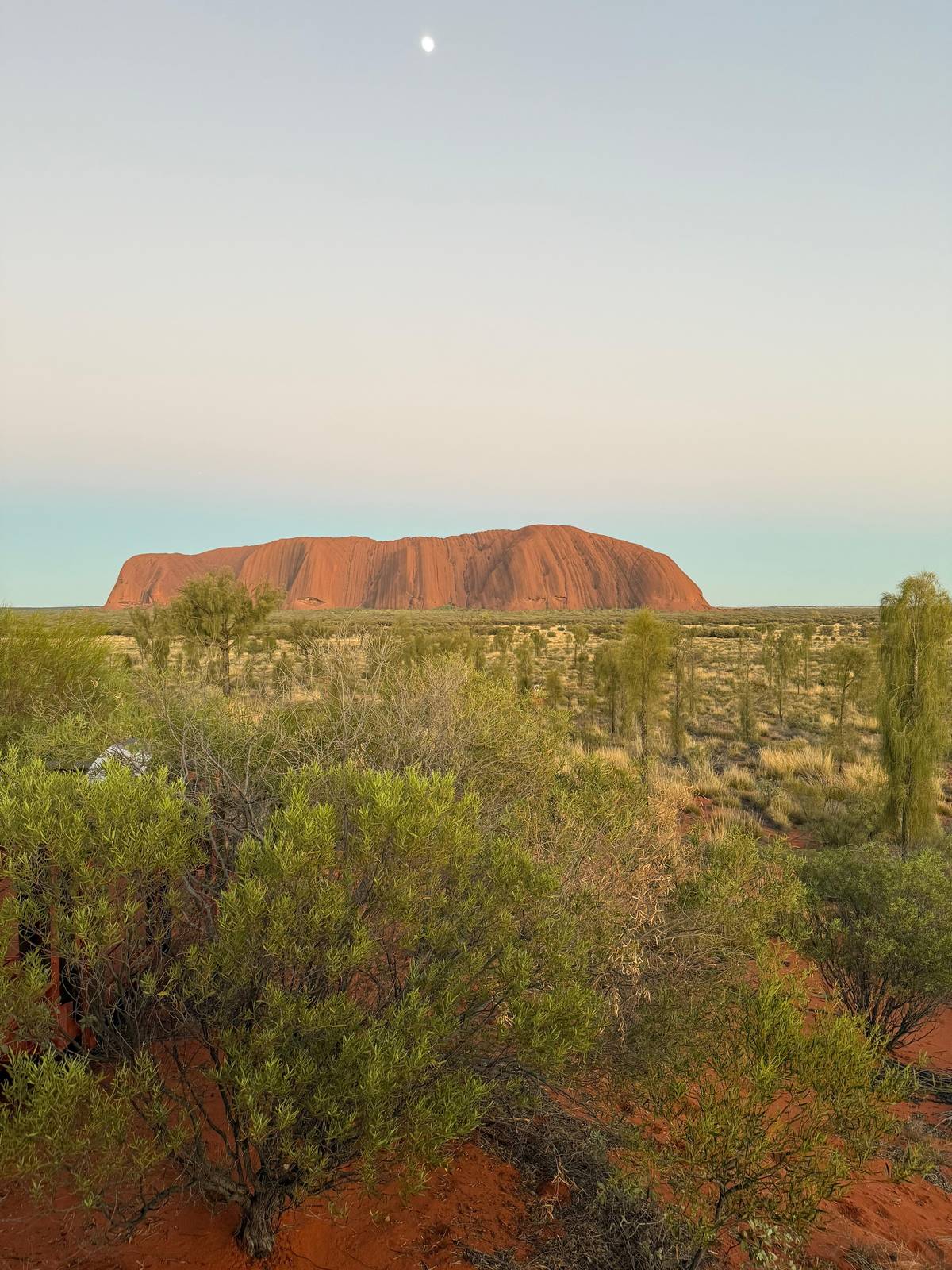
For photographers the park names one spot in particular. Follow the lower track all the way to the second shelter and you get an uninterrupted view of both Uluru and Kata Tjuta, with a tree you can use to frame the scene.5 It is worth walking there in the half-light before the colour starts.
Come back in the evening and the place feels different. At sunset you will have the area almost to yourself, and its picnic area is good for a meal at any time of day.141 If you already watched the sunrise here, an evening visit lets you see the sun go down beside the rock rather than behind you.
Map
The park from the resort to Kata Tjuta, the walks around the base of Uluru, and the car parks among the domes.
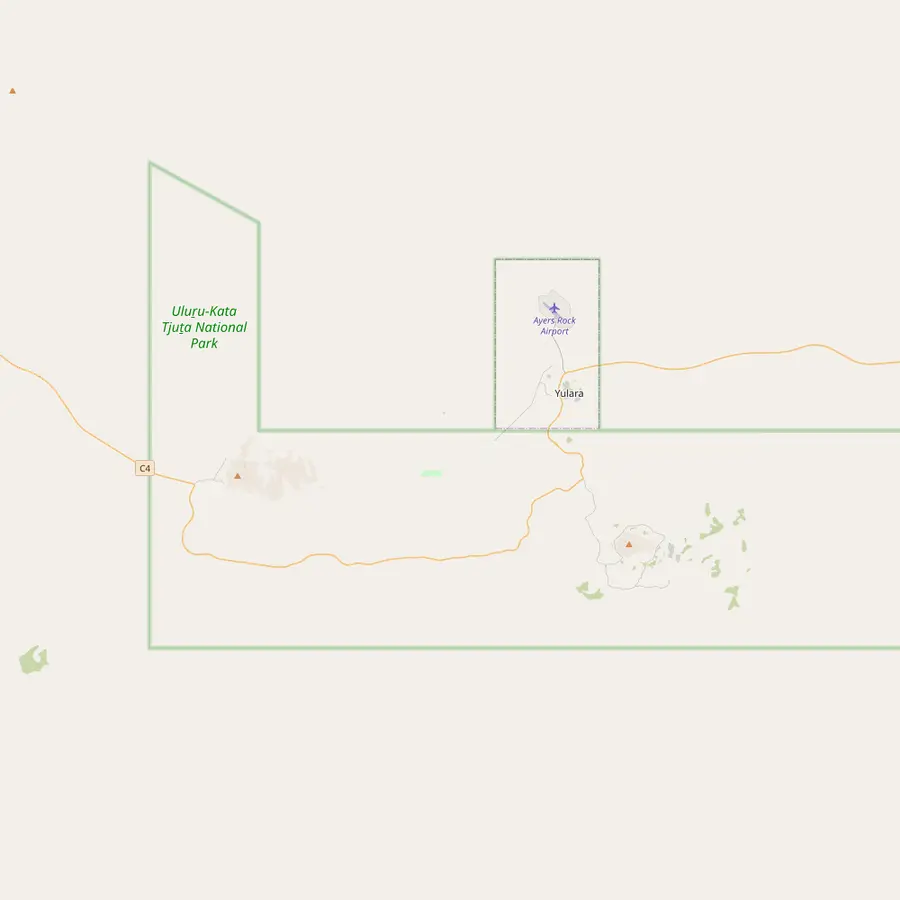 1Yulara (Ayers Rock Resort)2Ayers Rock Airport3Talinguru Nyakunytjaku4Mala carpark5Cultural Centre9Kata Tjuta dune viewing area10Walpa Gorge carpark
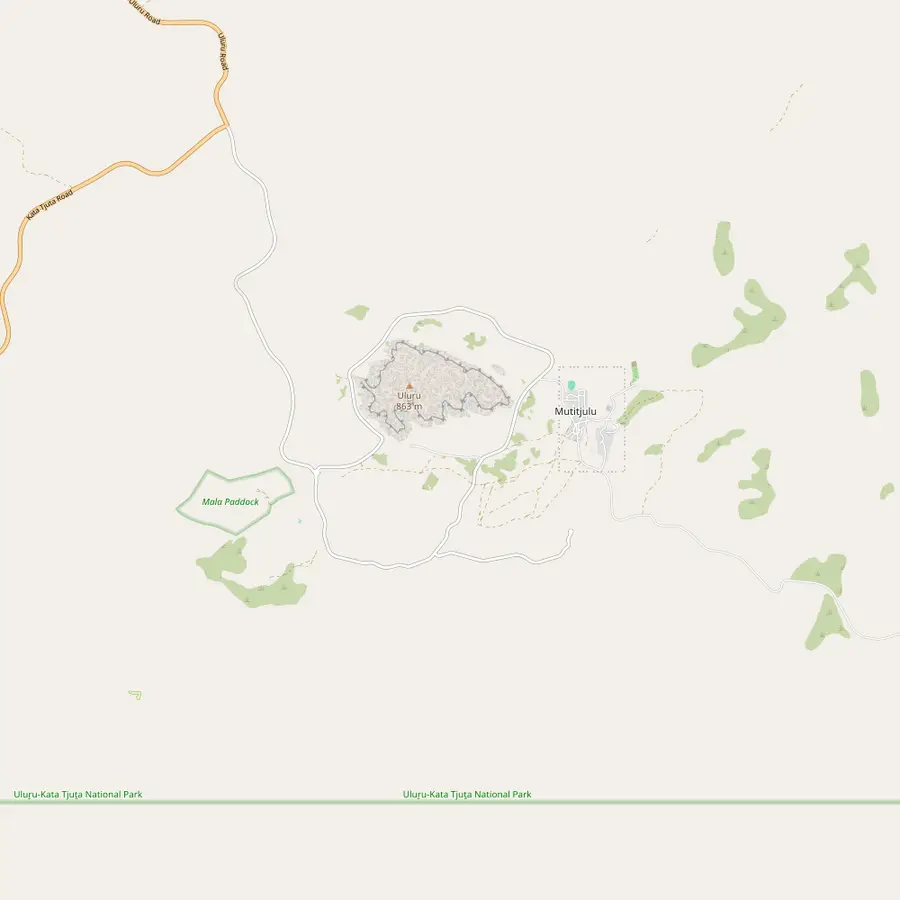 3Talinguru Nyakunytjaku4Mala carpark6Liru walk7Lungkata walk8Kuniya carpark5Cultural Centre
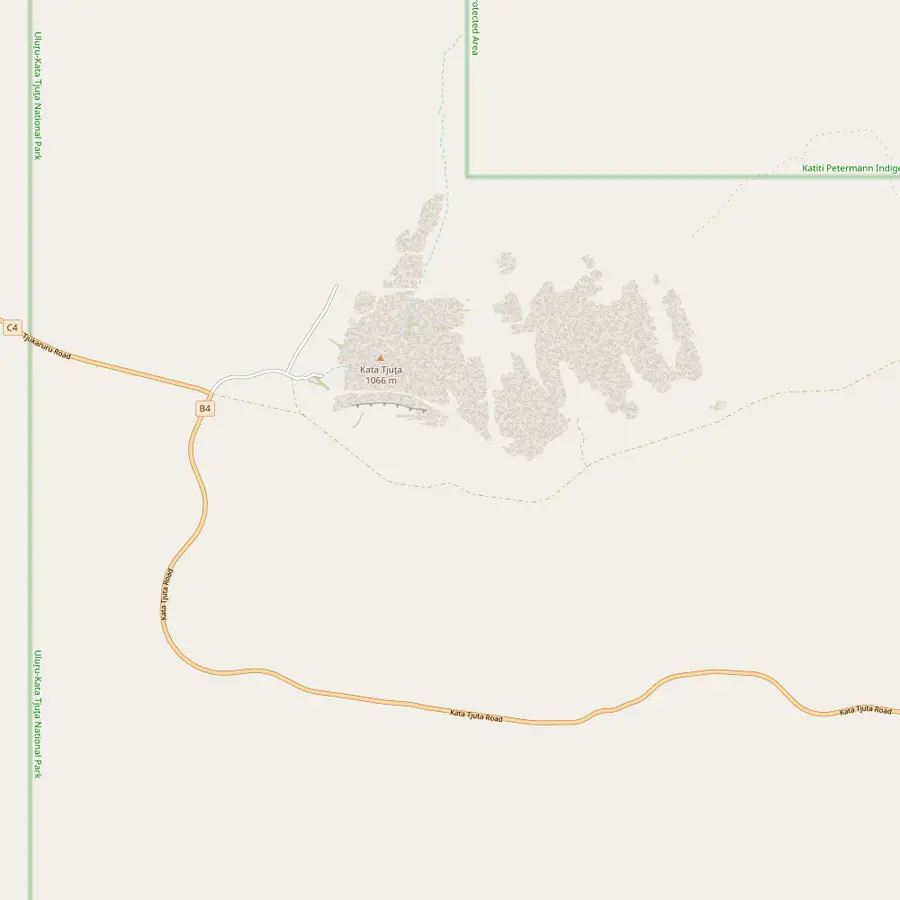 10Walpa Gorge carpark11Valley of the Winds carpark9Kata Tjuta dune viewing area12Kata Tjuta sunset viewing area
Where the booked tour picks you up and drops you off; 30 minutes by car from the sunrise area.2
In Google Maps ↗10 minutes from Ayers Rock Resort; on the booked tour, plan flights after 1:00 PM, or 1:30 PM in June and July.2
In Google Maps ↗The main sunrise viewing area for Uluru, with platforms, shelters, water and toilets.14
In Google Maps ↗Start of the Mala walk and the free ranger-guided walk, and the suggested start of the base walk.161718
In Google Maps ↗Open 7.00 am to 5.45 pm every day; allow at least two hours.1920
In Google Maps ↗4 km return through mulga forest between the Cultural Centre and the rock.2122
In Google Maps ↗4 km return beside the rock; closes from 2 pm on days of 40 °C or more.2324
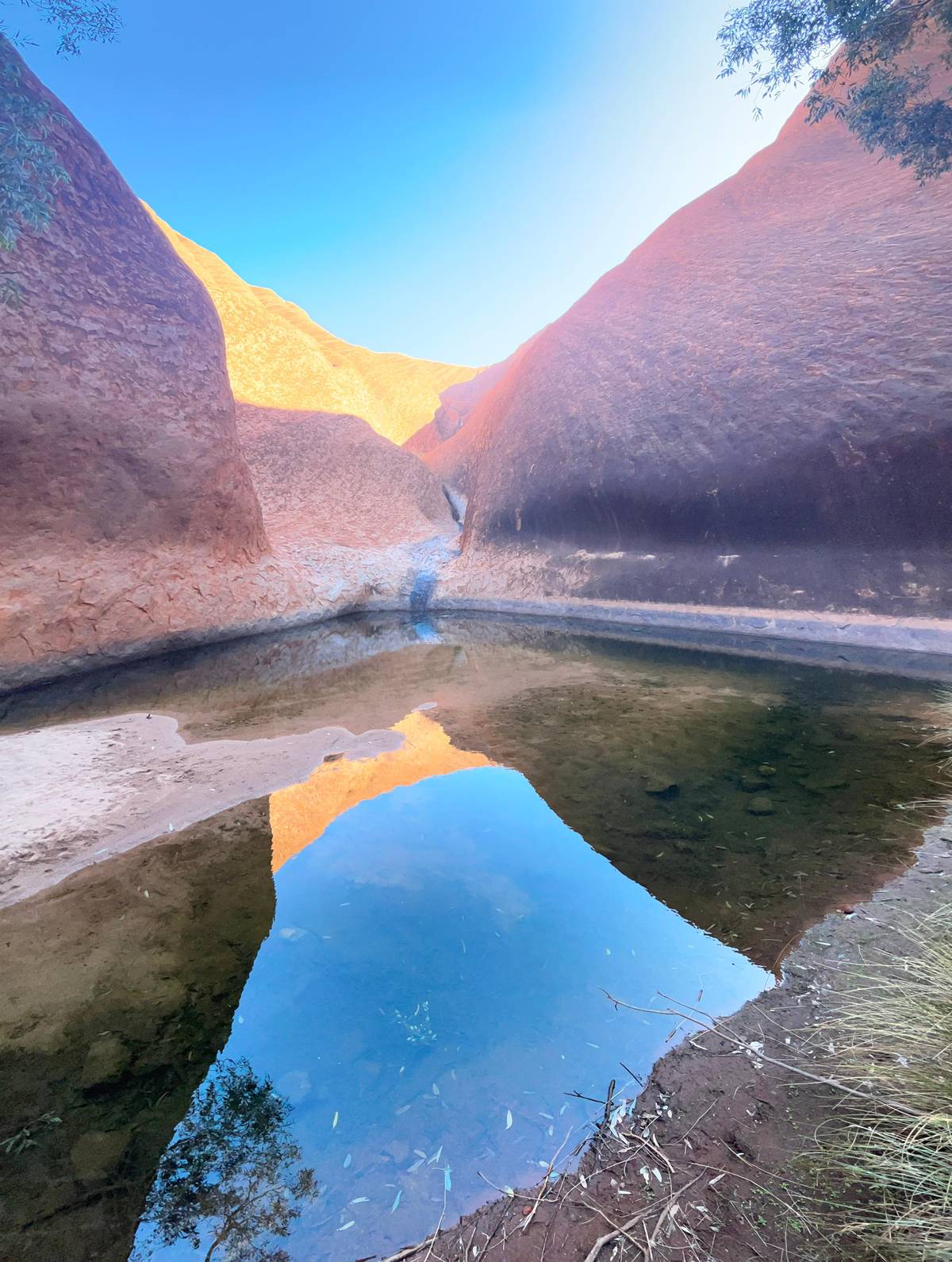
In Google Maps ↗1 km return to one of the few permanent water sources around Uluru.2526
In Google Maps ↗Kata Tjuta with Uluru on the horizon; busy at sunrise, quiet at sunset.27
In Google Maps ↗Start of the 2.6 km Walpa Gorge walk, about 1 hour return.28
In Google Maps ↗Start of the Valley of the Winds walks: Karu lookout 2.2 km return, the full loop 7.4 km.2930
In Google Maps ↗Many visitors gather here at the end of the day, leaving Walpa Gorge quiet.31
In Google Maps ↗Checklist
Video
The player loads on your tap, not before.
The viewing area is not only a lookout. A pair of short loop tracks start here, and each teaches something about Anangu culture and survival skills.15 Men and women are welcome on both of them, so you can do them together after the sun is up.15
The Minymaku Walk, the women's walk, is a 1 km loop of about 30 minutes about women's work, such as preparing bush foods, and the games young children play.8 The Watiku Walk, the men's walk, is a 1.5 km loop of about 45 minutes about making tools and using fire to hunt.9 Both are wheelchair accessible.89
Parks Australia's suggested plan for an Uluru morning builds on exactly this: sunrise here, the short culture walks, then the free ranger-guided Mala walk and either the base walk or the Kuniya walk, finishing at the Cultural Centre.32 On a tour, the timetable decides; on your own, you can follow that plan at your own pace.
The tour this site books stops here for the sunrise, with tea or coffee, before it moves on to Kata Tjuta. Parks Australia's own listing for that AAT Kings morning starts with the sunrise at Talinguru Nyakunytjaku and then follows the 45 km drive to Kata Tjuta, where the group walks through Walpa Gorge.33 The whole trip takes 5 hours from Yulara.
The listing gives no departure time, so check it on the booking page for your date. Pickup and drop-off are in Yulara, the coach is air-conditioned and the national park pass is not included. One guest who reviewed the morning described the lookout as having many places to view the rock from, and noted that you do not get as close to the rock as you would walking or cycling.
If you would rather spend longer here, go by car. Parks Australia notes that all roads in the park are sealed and that there are no taxis or public transport, so a rental car from the airport, a tour or a hop-on hop-off bus pass are the ways to arrive.34
This is one of the easier places in the park to visit with limited mobility. The viewing area has wheelchair access, and both culture loops that start here are wheelchair accessible too.489 Across the park, most walking tracks have sections that a wheelchair can use, and the gradings run from easy to moderate.35
The rest of a tour morning can be harder. On the booked tour, the walk after sunrise is Walpa Gorge, a rocky track at Kata Tjuta with no wheelchair access.28 The listing calls the morning suitable for all age groups; if the gorge walk is too much for someone in your group, ask the driver guide about it when you board.
With children, the dark and the cold are the real challenge. A sleeping bag liner or a blanket in the car, a thermos of something warm and a snack make the wait for the light easier, and the women's walk, with its games that young Anangu children play, gives them something to do once the sun is up.8
The view from the platforms is open to photography, but the park has rules beyond them. Drones are banned throughout the park under federal law, and penalties apply.36 Before photographing Anangu people, ask them first.37 If you plan to post your pictures commercially or as an influencer, you need a media permit.38
Dress for a desert night, not a desert day. Winter dawns are cold: in July the Yulara station averages a low of 4.5 °C, and Parks Australia's packing list includes warm layers for early sunrises and a beanie and gloves in winter.1239 In summer the low is still 23 °C in January, so a light jacket is enough.12
Bring water even for a short stop, a torch for the paths in the dark, and patience for the light. The best colour often comes some minutes after the sun clears the dunes, when the first rays have fully reached the rock and most people are already walking back to the buses.
Pick your dawn
Pickup in Yulara, tea or coffee at sunrise and a walk in Walpa Gorge; cancel free up to a day before.
It changes through the year. Plan by the park gates: they open between 5.00 am and 6.30 am, depending on the month.3
About 30 minutes by car. That is Parks Australia's driving time from Ayers Rock Resort.2
Yes. Water and toilets, and the area has wheelchair access.4
At dawn, yes. The tracks are quieter than the platforms, and sunset is almost empty.14
Yes, from the lower track. The second shelter has an uninterrupted view of both.5
Yes. Men and women are welcome on both short walks.15
Yes. The viewing area is inside the national park.40
Sources
Keep reading