 Around
Guides
Language
EnglishCurrency
US dollar · $Your currency applies on GetYourGuide too.
Guide · Culture and law
Can you climb Uluru? Why the answer is no
The path up the rock has been closed since 2019, at the request of the people whose law has protected it for tens of thousands of years. Here is the story of the decision, and what to do on the ground instead.
Check availabilityfrom $147 · free cancellation
Editorial team, ulurusunrise.comUpdated October 22, 2026about 6 min to read35 sources
Quick answer
- 01Can you climb?
- No. The climb closed permanently from 26 October 2019.1
- 02Why
- Climbing was not generally permitted under Tjukurpa.2
- 03The law
- Climbing is a breach of the EPBC Act, with penalties.3
- 04Who decided
- The park's Board of Management, unanimously, in November 2017.4
- 05Instead
- The 10.6 km base walk around the rock.5
The short answer
No. The climb on Uluru closed permanently from 26 October 2019, and attempting it today is a breach of the Environment Protection and Biodiversity Conservation Act; penalties are issued to visitors who try.13 The rule is not a seasonal closure or a safety measure that might lift on a cool day. It is final.
The reason is older than any law passed in Canberra. Uluru has been sacred to Anangu for tens of thousands of years, and climbing it was not generally permitted under Tjukurpa, Anangu law and culture.2 The closure brought Australian law into line with that much older law.
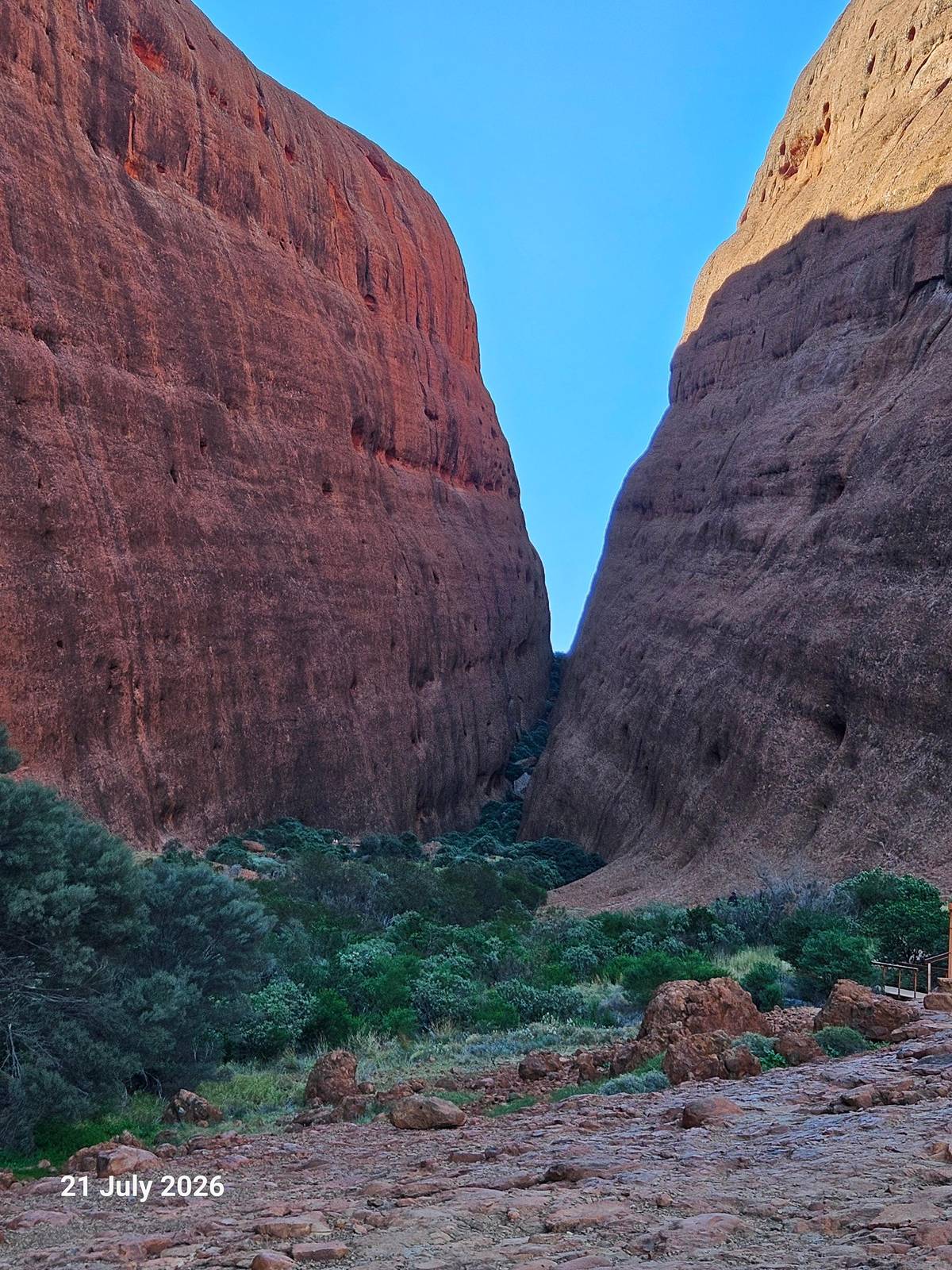
The same respect applies everywhere in the park. Parks Australia asks all visitors to stay on marked tracks and paths and not to climb onto rock formations or boulders, so that nobody walks into a sacred area without knowing it.6 At Kata Tjuta, Walpa Gorge has its own request: walk quietly, tread lightly and stay on the track.7
From chain to closure
How the climb came to an end
-
Late 1930s
First climbers
Visitors begin to climb.8
-
1964
The chain
First section installed.8
-
1985
Handback
Closure raised; allowed for now.9
-
1990s
Please Don't Climb
Signs ask visitors not to.10
-
2010
Management Plan
Intention to close announced.4
-
2017
Unanimous vote
Closure set for 2019.4
-
26 Oct 2019
Closed for good
On the anniversary of Handback.1
How the climb began
Visitors began climbing Uluru in the late 1930s.8 To keep people safe, a chain was fixed along the route; its first section was installed in 1964.8 For decades after that, the climb was one of the things tourists expected to do at the rock.
Those were also the decades in which Anangu fought to have their ownership of this land recognized. The climb and the struggle for land rights ran side by side, and they met at the same moment.
On 26 October 1985 the title deeds of the park were returned to Anangu at Mutitjulu, an event known as Handback, and Anangu leased the land back for 99 years.11 The question of the climb was on the table from that day.
Instead of the climb
Ways to experience the rock on the ground
| Experience | Length | Cost |
|---|---|---|
| Base walk around the rock | 10.6 km, 3 hrs 30 min | Park pass |
| Ranger-guided Mala walk | 1 hr 30 min | Free with park pass |
| Walk to the waterhole | 1 km return | Park pass |
| Sunrise at the main viewing area | 30 min drive from the resort | Park pass |
| Helicopter flight | 15 min | from $162 |
From Parks Australia's walk pages and the GetYourGuide listing for the flight.512131415
Three ways to go
Around, above or at dawn
Around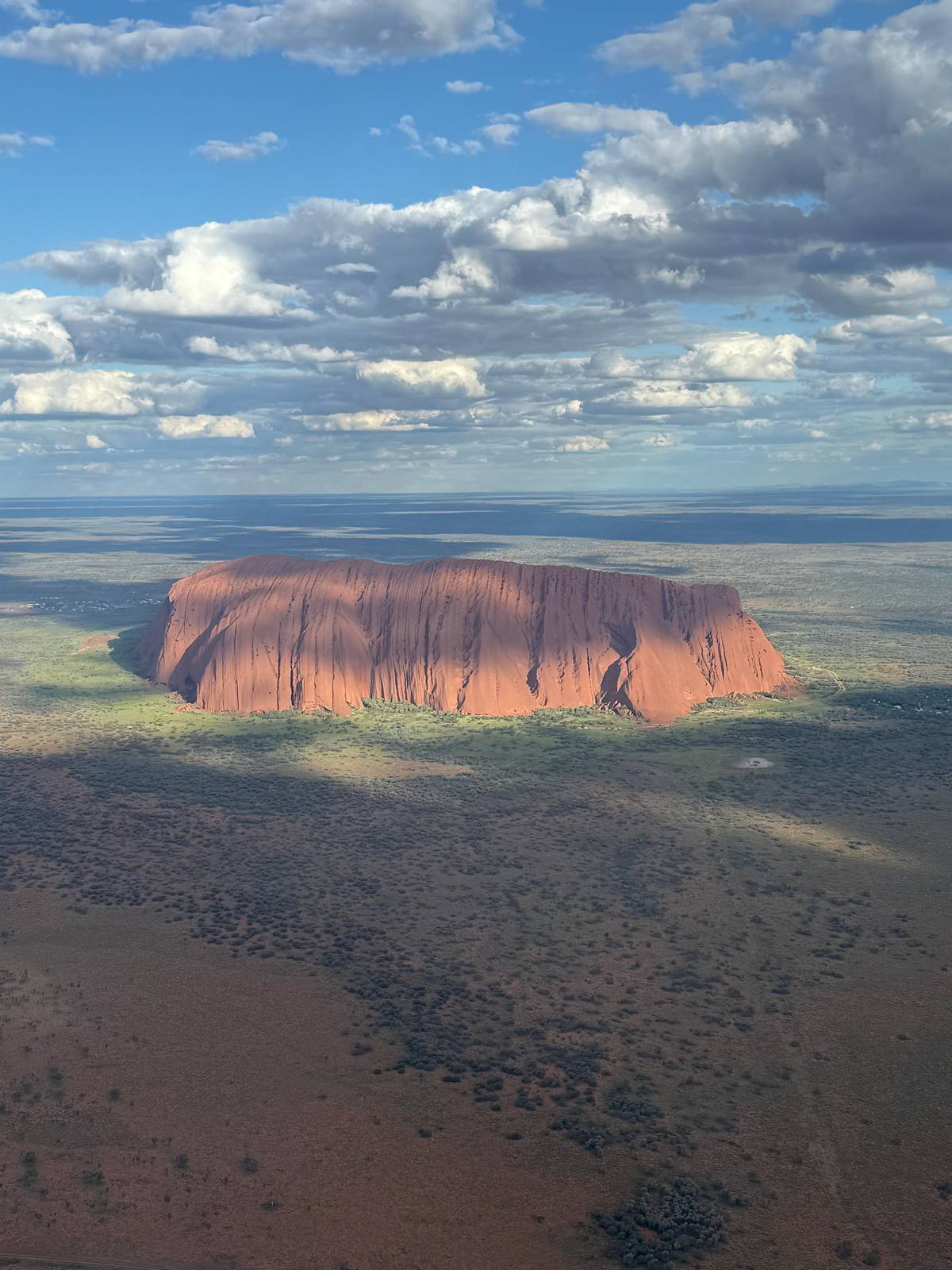 Above
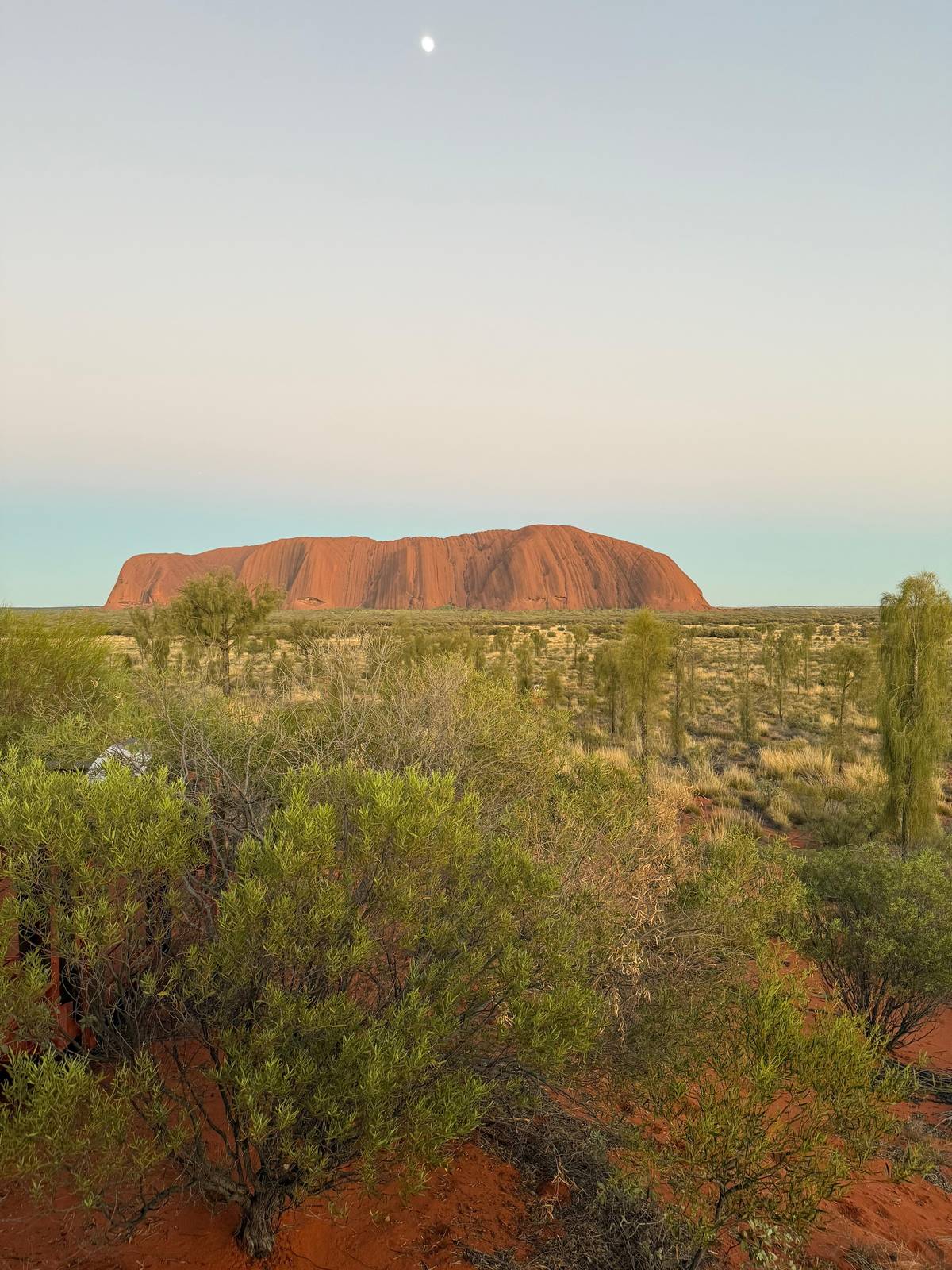 At dawn
Decision helper
What to do instead
Pick the experience that replaces the climb for you
“The land has law and Culture. We welcome tourists here. Closing the climb is not something to feel upset about but a cause for celebration. Let’s come together; let’s close it together.”
Handback, the signs, and a long wait
At Handback in 1985, the question of closing the climb was raised.9 Anangu spokesman Kunmanara Lester said that while Anangu did not like people climbing Uluru, it would be allowed for now.9 That patience lasted a very long time.
In the 1990s, signs at the base of the climb asked visitors, on behalf of Anangu, Please Don't Climb.10 As visitors learned more about Anangu culture and wishes, the number of people climbing began to fall.10 The request did much of the work before the rule did.
In 2010 the park's Management Plan signalled the intention to work towards closing the climb.4 The criteria set out for closure included the share of visitors who climbed falling below 20%.4 That measure tied the decision to visitors' own choices, not only to a ruling from above.
Checklist
Respecting the rock
01
Please
- Stay on marked tracks
- Ask before photographing Anangu
- Read the signs at sensitive sites
02
Never
- Climb Uluru or any rock formation
- Photograph signposted sensitive sites
- Fly a drone in the park
Cost calculator
Your group, without a climb
Starting totals by group size.
People
Total from$349
per traveler from $175
Check availabilityfree cancellationGroup totals for dawn: the smallest per-person GetYourGuide fare for each tour, multiplied by the number of travelers and converted with the day's euro rate; the booking page shows the exact sum.
Video
Australia: reclaiming the rock
The player loads on your tap, not before.
The decision of 2017
In November 2017 the park's Board of Management, finding that the criteria had been met, voted unanimously to close the climb from 26 October 2019, the 34th anniversary of Handback.4
The board has 12 members, eight of them Aboriginal members nominated by the Traditional Owners, alongside members nominated by federal ministers and the Northern Territory Government, and the Director of National Parks.19 The vote came from the body that runs the park on behalf of both Anangu and the wider public.
The Uluru climbing ban came into force on schedule in 2019.1 The former chairman of the board, Sammy Wilson, framed it not as a loss but as a cause for celebration, and as an invitation to come together.18
Why is Uluru important?
For Anangu, Uluru is inseparable from Tjukurpa, the foundation of their culture and the religious philosophy that links them to the land and their ancestors.20 The walks around the base follow the tracks of ancestral beings, and many places on the rock are sacred sites whose details must not be photographed or viewed elsewhere.2122
The wider world recognizes this too. The park was added to the World Heritage List in 1987 for its natural values and in 1994 as a living cultural landscape, and it is one of only four places in Australia with that dual listing.2324 More than 250,000 people come every year to experience it.25
So why is Uluru important? It is at once a geological wonder, a living cultural landscape and a place where people still live by the law that shaped it. Anangu own Uluru and Kata Tjuta and lease them to the Australian Government, and the park is run jointly with Parks Australia.26
If you remember the old climb
If you climbed on an earlier trip, you may remember the chain and the view from the top, and hope to repeat it. The rule now is the same for everyone, first-time visitors and returning ones alike: the climb closed permanently from 26 October 2019, and attempting it is a breach of federal law with penalties.13
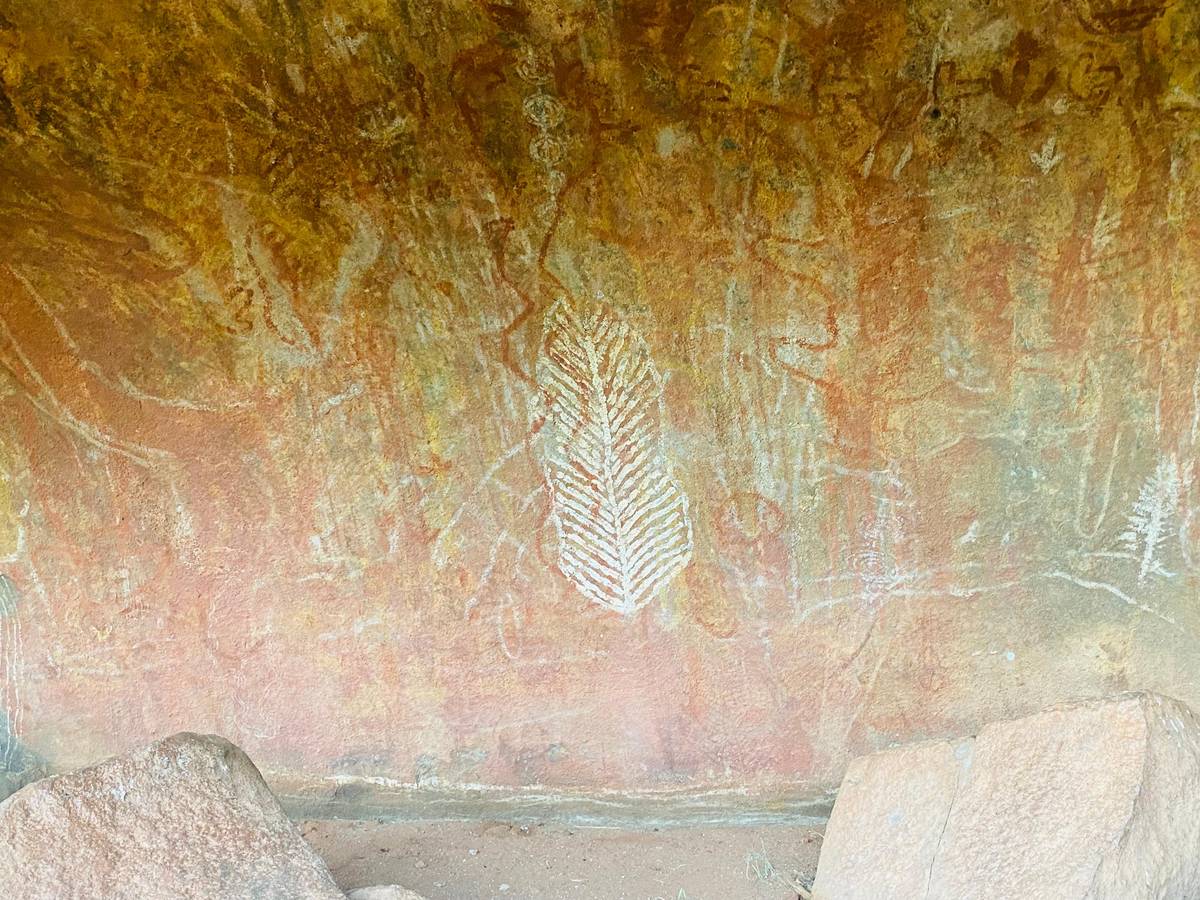
It helps to see the change as Anangu do. The former chairman of the park's board described the closure as a cause for celebration, not something to feel upset about, and as a chance to come together.18 Walk around the base instead of up the side and the rock shows you a great deal at eye level: caves, rock art, waterholes and the changing textures of the stone.
The park itself has not become less open. It is still open every day of the year, from early morning to evening, and every walking track around the base is still there to use.2728 What has changed is only the direction of travel, around instead of up.
Photographs and other quiet requests
Closing the climb is the best-known request Anangu make of visitors, but not the only one. Parks Australia explains that the rock details at culturally sensitive sites are like sacred scripture for Anangu and should only be seen in their original place, so taking photographs of these sites is prohibited; the sites are signposted in the park.22
On the north-east face of Uluru, which runs from Kantju Gorge to Kuniya Piti, Anangu ask that you take no photographs at all while walking, and take only wide, distant shots of that side from places such as the resort.2930 In the Valley of the Winds at Kata Tjuta, no photographs or video of the rock formations should be taken.31
None of this spoils a visit. It asks you to look a little longer, to keep some memories as memories, and to share the parts of the park that its owners are glad to share. Drones, finally, are banned throughout the park.32
Meeting the rock without climbing it
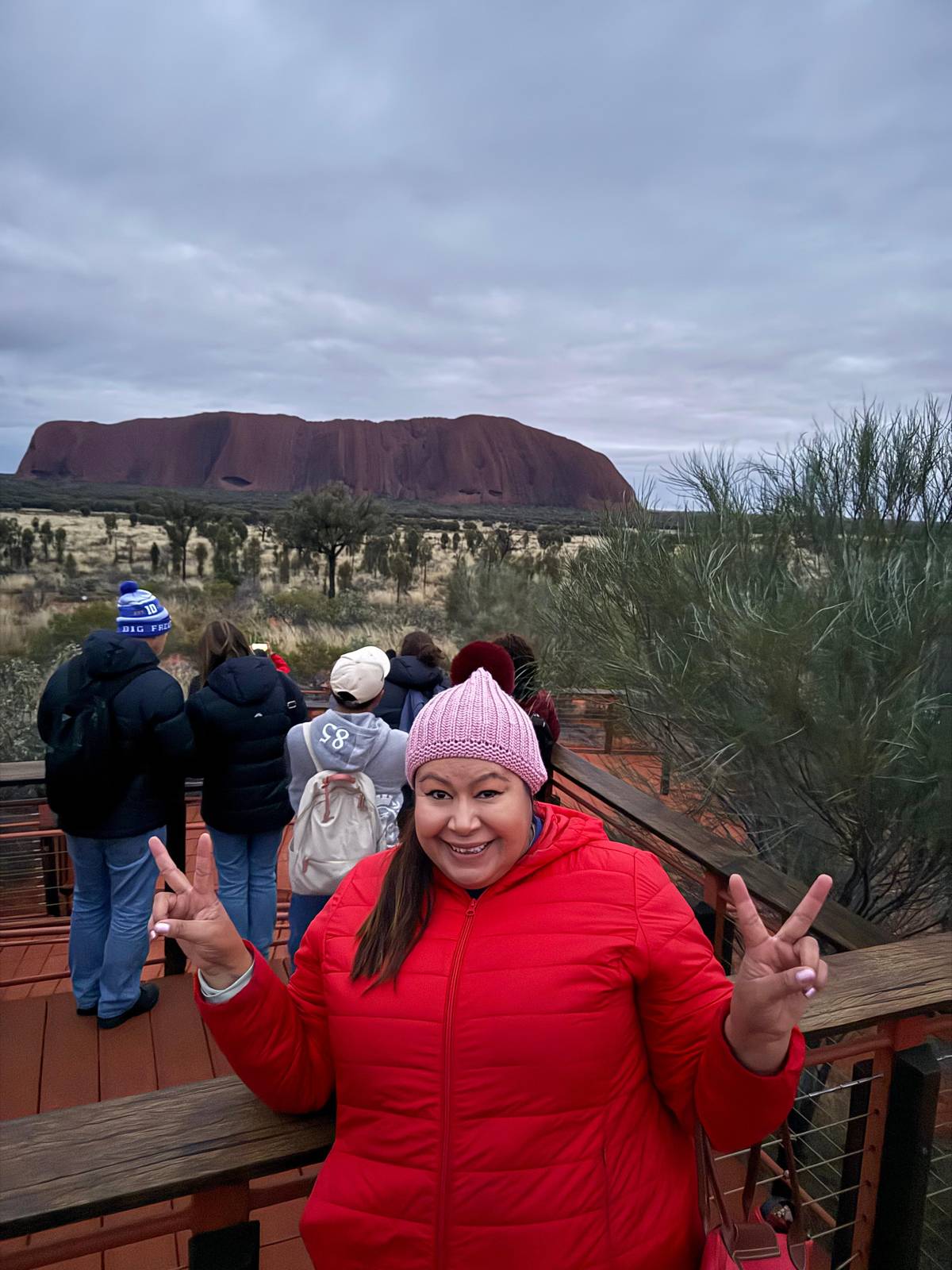
The best way to feel the size of Uluru is to walk around it. The base walk is 10.6 km, graded 3, and takes about 3 hours 30 minutes, with water and toilets on the way.5 Start at the Mala carpark early, walk clockwise, and finish before 11.00 am on hot days.3334
For a guided start, the free ranger-guided Mala walk explains rock art, tools and Tjukurpa along the base, at 8.00 am from October to April and 10.00 am from May to September.1216 If you want height, a 15-minute helicopter flight over the rock is listed from $162.
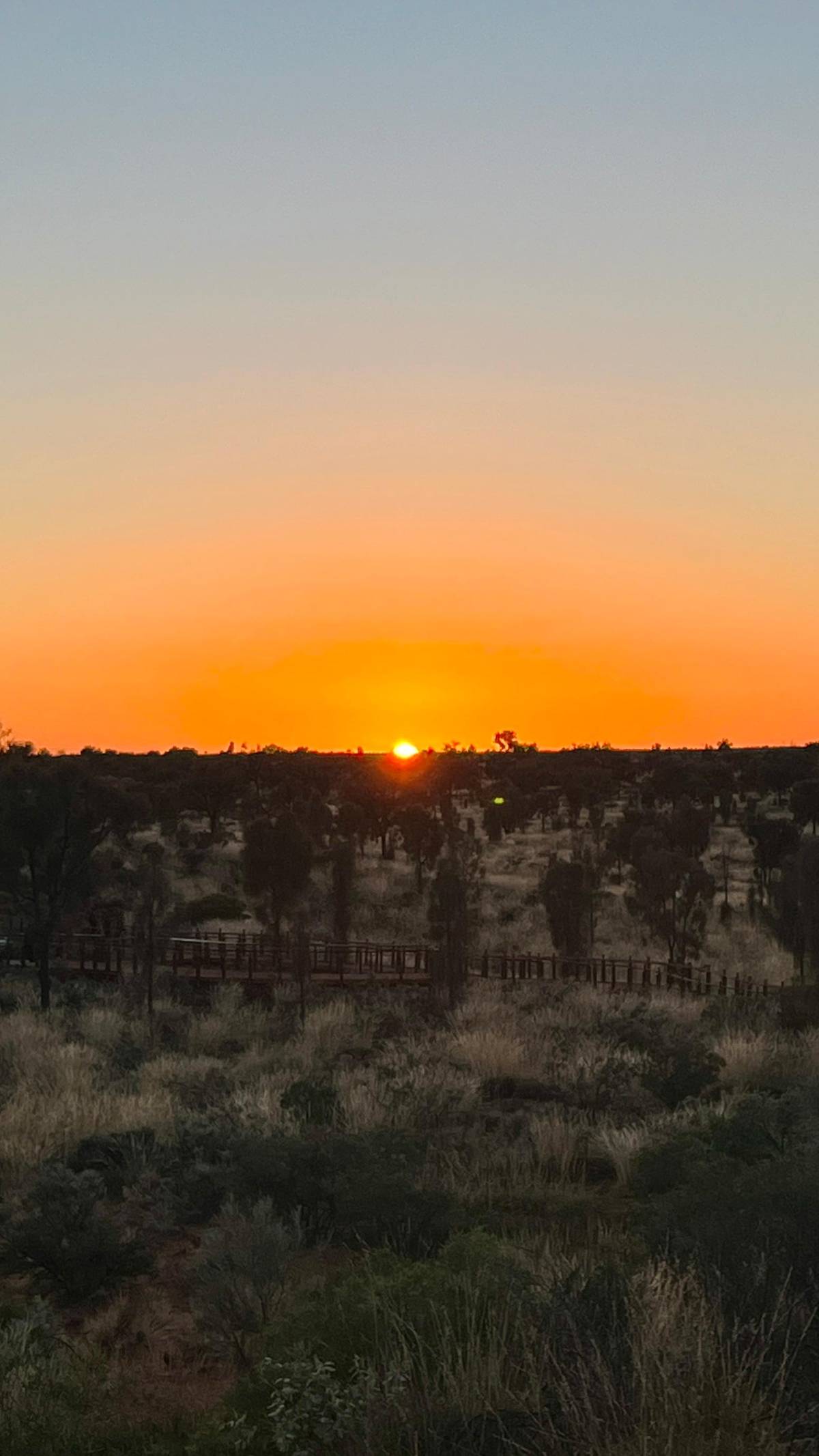
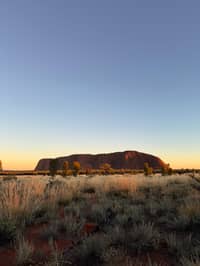
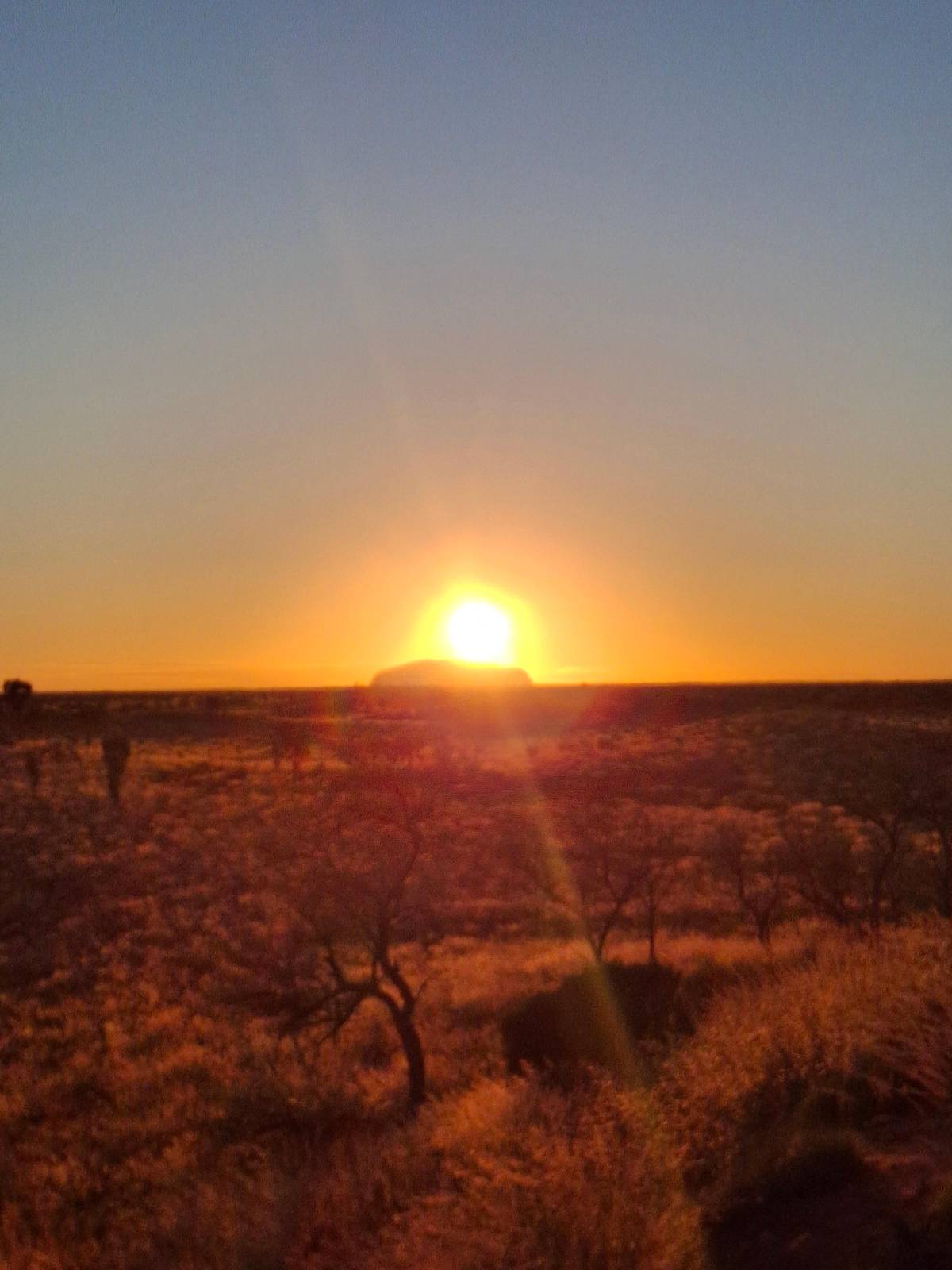
And there is the sunrise. From the Talinguru Nyakunytjaku platforms you watch the first rays come over the dunes and light the rock, a view that needs no climb at all.35 The coach tour this site books starts there, then walks through Walpa Gorge at Kata Tjuta.
Pick your dawn
Uluru at first light, Kata Tjuta by mid-morning
Pickup in Yulara, tea or coffee at sunrise and a walk in Walpa Gorge; cancel free up to a day before.


You ask,we answer.
Is the Uluru climb still open?
No. It closed permanently from 26 October 2019.1
What happens if someone climbs?
Penalties are issued. Climbing is a breach of the EPBC Act.3
Who decided to close it?
The Board of Management. It voted unanimously in November 2017.4
Why that date?
It marks Handback. 26 October 2019 was the 34th anniversary.4
When did people start climbing?
In the late 1930s. The first chain section followed in 1964.8
Can I climb boulders at Kata Tjuta?
No. Stay on marked tracks and off rock formations everywhere.6
What should I do instead?
Walk around the base. 10.6 km, about 3 hours 30 minutes.5
Sources
What this guide is based on
- 1Parks Australia, Uluru-Kata Tjuta National ParkUluru climb closure↩
- 2Parks Australia, Uluru-Kata Tjuta National ParkUluru climb closure↩
- 3Parks Australia, Uluru-Kata Tjuta National ParkUluru climb closure↩
- 4Parks Australia, Uluru-Kata Tjuta National ParkUluru climb closure↩
- 5Parks Australia, Uluru-Kata Tjuta National ParkUluru base walk↩
- 6Parks Australia, Uluru-Kata Tjuta National ParkRespecting Culture↩
- 7Parks Australia, Uluru-Kata Tjuta National ParkWalpa Gorge walk↩
- 8Parks Australia, Uluru-Kata Tjuta National ParkUluru climb closure↩
- 9Parks Australia, Uluru-Kata Tjuta National ParkUluru climb closure↩
- 10Parks Australia, Uluru-Kata Tjuta National ParkUluru climb closure↩
- 11Parks Australia, Uluru-Kata Tjuta National ParkHistory of Uluru-Kata Tjuta National Park↩
- 12Parks Australia, Uluru-Kata Tjuta National ParkRanger-guided Mala walk↩
- 13Parks Australia, Uluru-Kata Tjuta National ParkKuniya walk and Mutitjulu Waterhole↩
- 14Parks Australia, Uluru-Kata Tjuta National ParkGetting around↩
- 15Parks Australia, Uluru-Kata Tjuta National ParkBuy your pass↩
- 16Parks Australia, Uluru-Kata Tjuta National ParkRanger-guided Mala walk↩
- 17Parks Australia, Uluru-Kata Tjuta National ParkValley of the Winds walks↩
- 18Parks Australia, Uluru-Kata Tjuta National ParkUluru climb closure↩
- 19Parks Australia, Uluru-Kata Tjuta National ParkJoint management↩
- 20Parks Australia, Uluru-Kata Tjuta National ParkTjukurpa↩
- 21Parks Australia, Uluru-Kata Tjuta National ParkWalks↩
- 22Parks Australia, Uluru-Kata Tjuta National ParkPhotography↩
- 23Parks Australia, Uluru-Kata Tjuta National ParkHistory of Uluru-Kata Tjuta National Park↩
- 24Parks Australia, Uluru-Kata Tjuta National ParkWorld heritage↩
- 25Parks Australia, Uluru-Kata Tjuta National ParkAmazing facts↩
- 26Parks Australia, Uluru-Kata Tjuta National ParkAmazing facts↩
- 27Parks Australia, Uluru-Kata Tjuta National ParkOpening hours↩
- 28Parks Australia, Uluru-Kata Tjuta National ParkUluru base walk↩
- 29Parks Australia, Uluru-Kata Tjuta National ParkNorth-east walk↩
- 30Parks Australia, Uluru-Kata Tjuta National ParkPhotography↩
- 31Parks Australia, Uluru-Kata Tjuta National ParkValley of the Winds walks↩
- 32Parks Australia, Uluru-Kata Tjuta National ParkPhotography↩
- 33Parks Australia, Uluru-Kata Tjuta National ParkUluru base walk↩
- 34Parks Australia, Uluru-Kata Tjuta National ParkUluru base walk↩
- 35Parks Australia, Uluru-Kata Tjuta National ParkTalinguru Nyakunytjaku↩
Keep reading